Fox 32 ChicagoNOW Interviews Daliah Saper About Illinois’ Proposed Cell Phone Ban in Schools
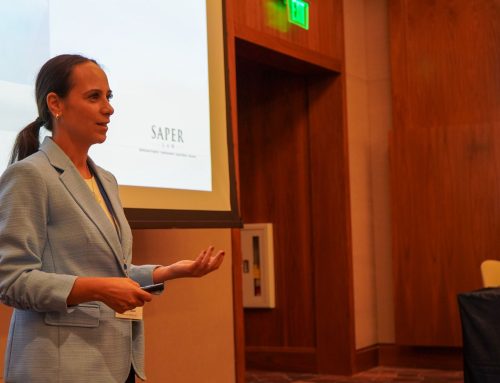
Fox 32 ChicagoNOW interviews with Daliah Saper about the new bill requiring Illinois schools to adopt policies limiting student cell phone use during instruction.
As a parent to both an elementary and high school student herself, Daliah has a personal interest in the matter. She noted that families and educators are confronting the same core tension: how to protect student focus and mental health while still accounting for safety needs, access, and modern communication habits. According to a recent poll highlighted during the interview, roughly 90% of teachers and 60% of parents support some form of classroom phone restriction, reflecting concern about distraction and compulsive device use during instruction.
A key legal takeaway from the interview was the structure of the proposal itself. Rather than imposing a single statewide rule, the legislation requires each district to adopt its own policy. Daliah explained that this flexibility is designed to make the law more defensible if challenged. Different communities, age groups, and school environments have different needs, and allowing districts to tailor their approach helps ensure the law is narrowly tailored to serve legitimate educational and social goals.
The interview also addressed practical concerns regarding funding, implementation and enforcement that school administrators and parents are already raising. For example, how are teachers protected from liability if a phone is confiscated? Daliah explained that the bill shields educators from personal liability when they follow district policy, while clarifying that teachers are not permitted to access or search content on students’ personal devices.
Safety concerns were another major focus. Many parents worry about emergency access, but Daliah pointed out that most proposed systems, such as classroom caddies or lockable pouches, keep phones physically nearby and readily accessible if needed. Schools remain responsible for emergency communication protocols, and the policies are intended to limit distraction, not eliminate access altogether.
As Illinois moves towards implementation, the proposal is expected to spark continued legal and cultural debate over the role of technology in schools, with districts, parents, and educators all shaping how the policies function in practice.
To learn more about social media law, and emerging technology risks, you can schedule a consultation with Saper Law here.