Fox 32 ChicagoNOW Interviews Daliah Saper About Meta Muse AI Image Generator
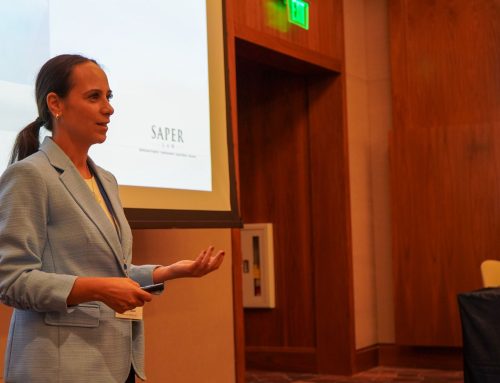
Fox 32 ChicagoNOW interviewed Daliah Saper about Meta’s Muse Image Generator, a short-lived Instagram AI photo tool that let users type someone’s Instagram handle into a prompt to generate new images using that person’s photos and reels as visual references. Meta pulled the feature within days of its launch, disabling it hours after Daliah’s interview aired amid intense public backlash.
During her interview, Daliah explained that the Meta AI feature’s brief release raised several questions about social platforms, AI Image use, and copyright terms.
First, how is this legal?
Daliah stated that while users legally own and retain the copyright to the images they post, agreeing to a platform’s Terms of Service changes the rules of engagement. By uploading an image publicly, users grant Meta a broad, royalty-free license to process, display, sub-license, and use their shared content however they see fit, including training or fueling new AI features.
Furthermore, many online platforms rely on passive consent. Instead of asking users to “opt-in” to a new feature, they launch it automatically and require users to find a way to “opt-out.” These updates are often buried deep within long policy notifications, meaning most users have no idea they’ve technically agreed to it.
If it’s legal, then why the backlash?
Because anyone can use a stranger’s handle as a visual reference, safety experts warned the tool could lead to identity misappropriation, cyberbullying, and non-consensual deepfakes. Compounding this threat, Meta built the feature with no notification protocol. A third party could manipulate your face and body into scenarios you never authorized, leaving you entirely unaware that your likeness was being misused.
Beyond standard copyright, this feature directly collided with the Right of Publicity: the legal right of an individual to control how their name, image, and likeness (NIL) are commercially exploited. By allowing users to target specific real-world individuals via their exact social handles, critics argued the tool crossed the line from AI “learning from an aesthetic style” into the unauthorized exploitation of a person’s explicit identity.
Given these concerns, the feature also drew condemnation from Hollywood, including the actors’ union SAG-AFTRA and the Creative Artists Agency (CAA), both of which warned that letting everyday users or competing brands generate AI variations of public faces could threaten the professional livelihoods of actors, models, and creators without offering any compensation or control.
Your Digital Footprint
Even though Muse Image was short-lived, its release is a reminder that AI features can appear on major platforms with little warning. Whether you are a creator protecting your work or a business integrating AI tools, read the terms carefully and make sure you understand what you are opting into by agreeing to the Terms of Service. If you have questions about copyright, intellectual property, AI, or related disputes, you can schedule a consultation with Saper Law here.