Daliah Saper Speaks at the North American Law Summit in Panama
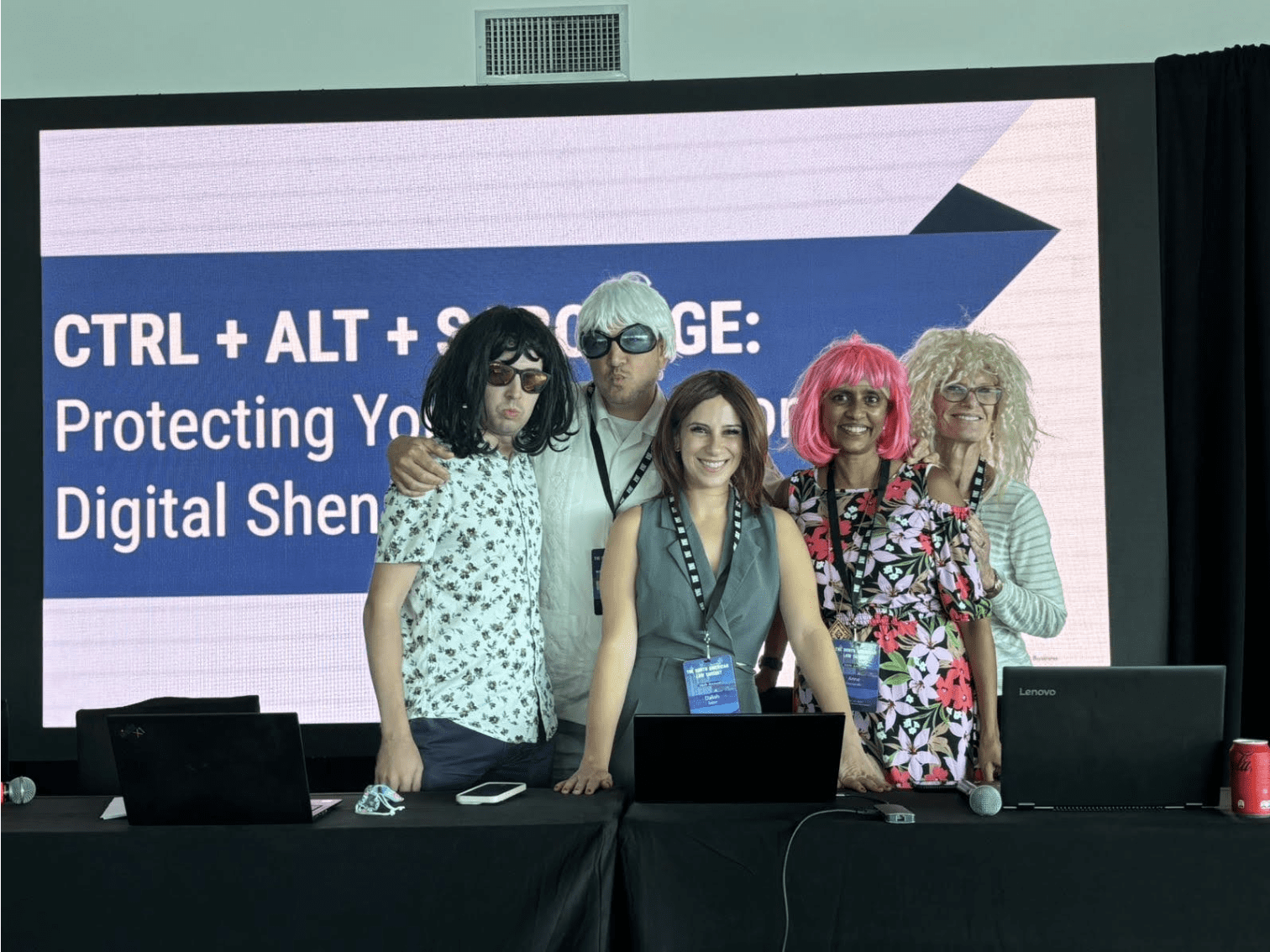
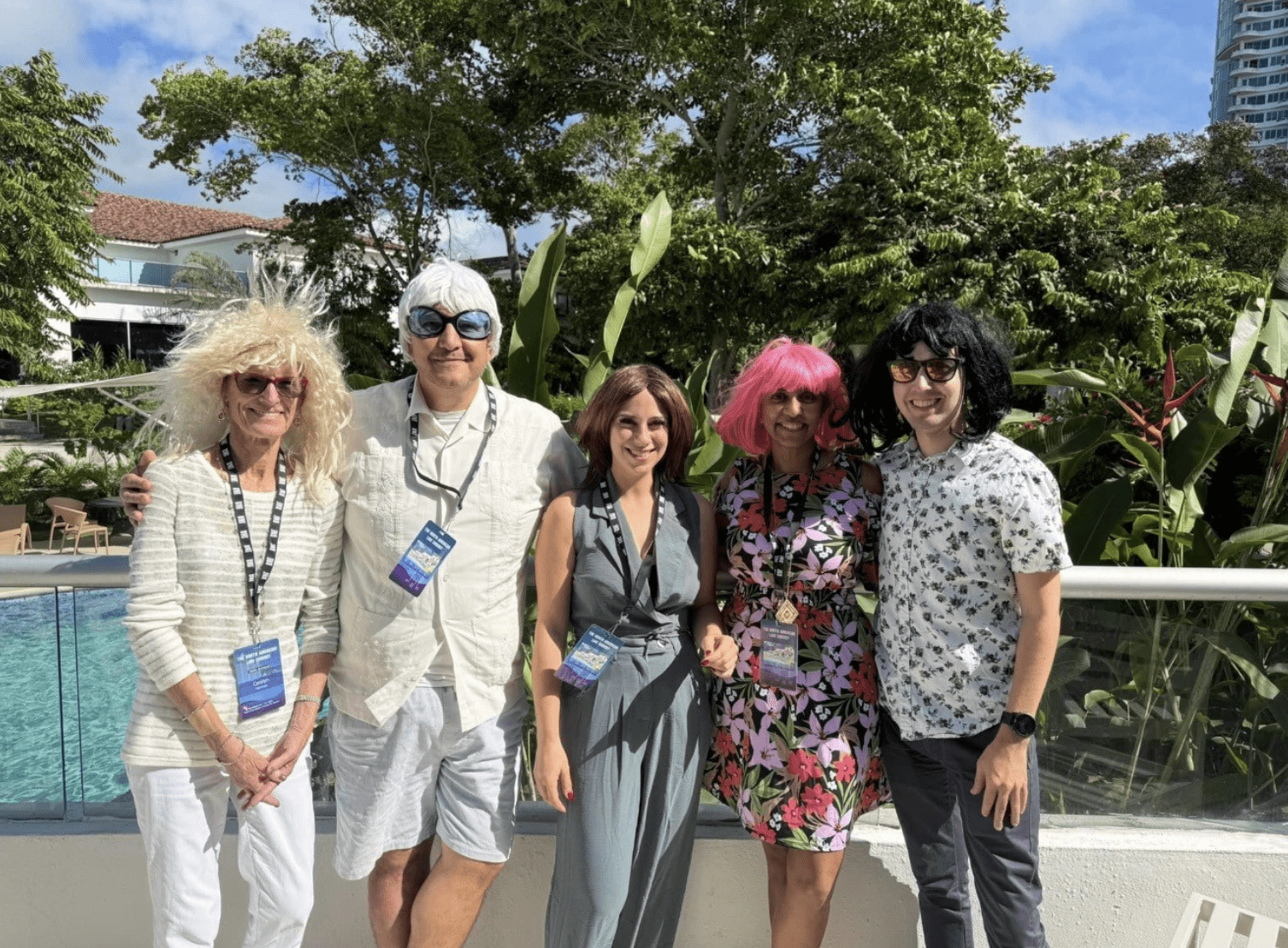
Daliah and her panelists sporting disguises to emphasize that people aren’t always who they appear to be online
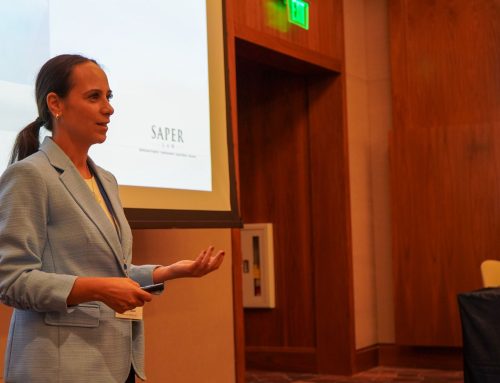
Daliah recently returned from Panama City, Panama where she served as a panelist at the 36th annual North American Law Summit. The conference centers around topics in sports, entertainment, media and intellectual property law. Daliah moderated a session devoted to the topic of “online sabotage” and “digital shenanigans.” She was joined by panelists Keane Barger (Loeb & Loeb), Anne Fernando (Rashfal & Associates, LLC), Joe Habachy (Joe S. Habachy PC), and Carolyn Herman (Carolyn Herman, PLLC). Together, they covered new legal issues arising from deepfakes, doxxing, username-squatting, astroturfing, and sockpuppets.
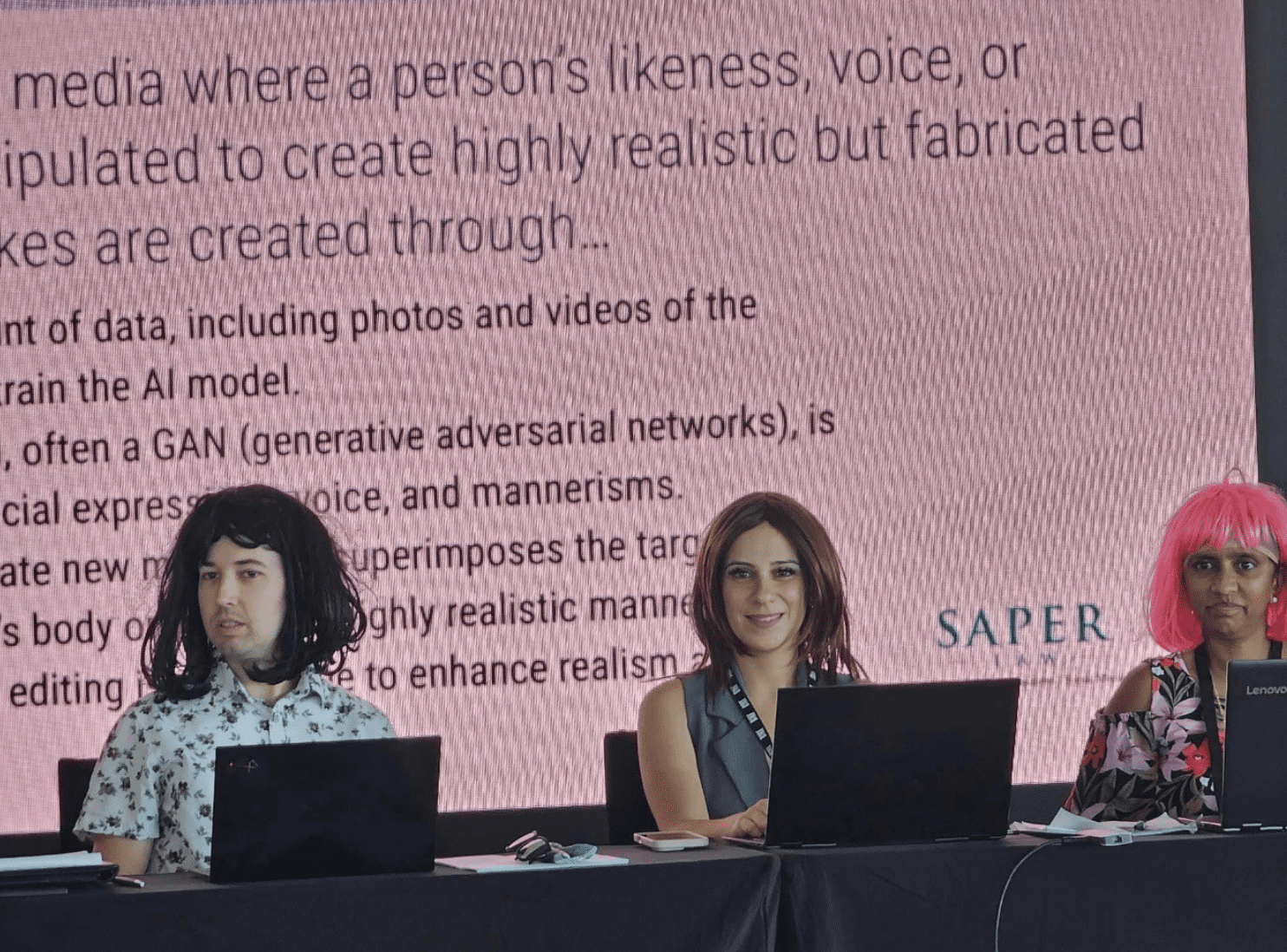
Here is some key vocabulary and major takeaways from the panel:
Deep Fakes:
Deepfakes are synthetic media where a person’s likeness, voice, or actions are digitally manipulated to create highly realistic but fabricated representations. Although some applications of deepfakes are harmless, they are often used under malicious circumstances including revenge porn, identity theft, cyberbullying, misinformation, and voice manipulation and imitation.
For these reasons, more than 40 states currently have pending deepfake legislation and another 50 relevant bills have already been enacted. Most notably, Illinois governor J.B. Pritzker recently signed Illinois House Bill 4875 into law which amends Illinois’ existing Right of Publicity Act to protect against the unauthorized use of digital replicas (deepfakes). The new civil law provides that “a person may not knowingly distribute, transmit, or make available to the general public an unauthorized sound recording or audiovisual work with actual knowledge that the work contains an unauthorized digital replica.” The law also applies to individuals who merely contribute or facilitate the unauthorized replica. Understanding these legal protections and technological developments is crucial in navigating the world of artificial intelligence.
Doxxing:
Doxxing is the act of publicly revealing or publishing private information about an individual without their consent, typically for malicious intent. States are enacting new legislation to address the problem. Illinois recently passed the Civil Liability for Doxxing Act. The law allows victims of doxxing to take civil action against the responsible party to recover damages for economic injury, emotional distress, or substantial life disruption.
Username Squatting:
Username squatting occurs when someone registers a username on social media that is the same or confusing similar to another brand’s trademark. This is often done with the intent to profit from or deceive others. Having a trademark registration is the most effective way to combat and recover hijacked usernames.
Astroturfing:
Astroturfing is a deceptive tactic where sponsors hide their identity to make it seem that their message comes from a place of genuine grassroots support. Fake reviews are a form of astroturfing, designed to create false impressions of support or criticism for a product, service, or organization. Several U.S. states have implemented legislation to address the issue of false or fake reviews. Additionally, the Federal Trade Commission (FTC) has issued guidelines requiring all advertisers and endorsers to conspicuously disclose any material connections with the service or products being promoted.
Sockpuppets:
A sockpuppet is a fake online identity created to mislead others. It pretends to be an independent person who supports or agrees with someone, like a person, group, or organization, but it’s actually controlled by that same entity. Sockpuppets are often used for secret hacking, spreading false information, or astroturfing.